Être femme et peintre dans les années 1920
Speaker: Hélène Jasmin
When: Thrusday, April 18, 2024, 19:30 à 21:00
Where: Centennial Hall,
288, Beaconsfield Boulevard, Beaconsfield, H9W 4A4
Lecture in French followed by a bilingual question period
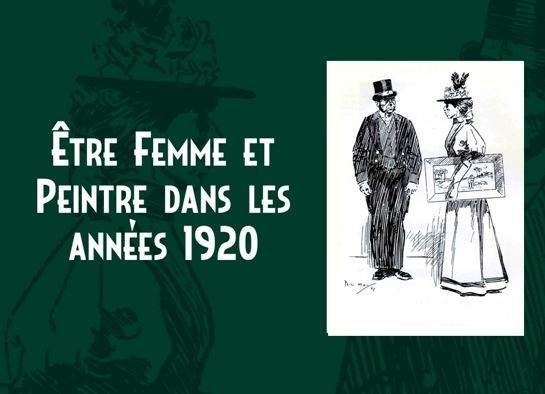 Our tour of women painters begins in France with the impressionist Berthe Morisot, then one of Picasso's muses: Marie-Laurencin.
We cross to Scotland, to the Glasgow Girls (1890-1920). An exceptional art school, very creative artists... Flourishing Art Nouveau Period.
Hop to Poland to visit the very glamorous Tamara de Lempicka, socialite and artist
From there, to Mexico, we meet a most colorful Frida Kahlo.
Then we go up to the state of New Mexico to meet Georgia O'Keeffe, one of the pioneers of the American Art movement.
From there, a direct flight to British Columbia to see Emily Carr in Victoria, an original painter often associated with the Group of Seven and Haïda culture.
Finally, we return to Quebec where Louise Gadbois, Simone Denéchaud, Agnès Lefort and Helen McNicoll are waiting for us. They have done portraits and landscapes with a lot of colours and points of view, in a feminine way.
Hélène Jasmin, author and speaker, was educated at UQAM in Sociology; at École de radio-télévision Pierre Dufault in Montréal; and Violin private class with Master Eugène Bastien, member of MSO. Her professional experience includes: freelance journalist for many newspaper, including her collaboration since 2020 to OUR CANADA, magazine by Readers Digest; freelance radio program host, Radio-Canada FM, Montréal; assistant curator for different exhibits; author of books on the history of theatre, arts and gardening.
===========================================================
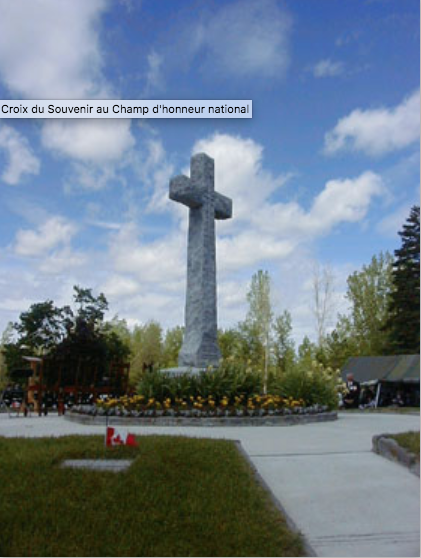 More than 22,000 Veterans and their close ones are now resting in our community at the intersection of Beaconsfield, Kirkland and Pointe-Claire in one of the ‘’ British Empire most beautiful cemeteries’’ called the National Field of Honour, a Canadian Historic Site.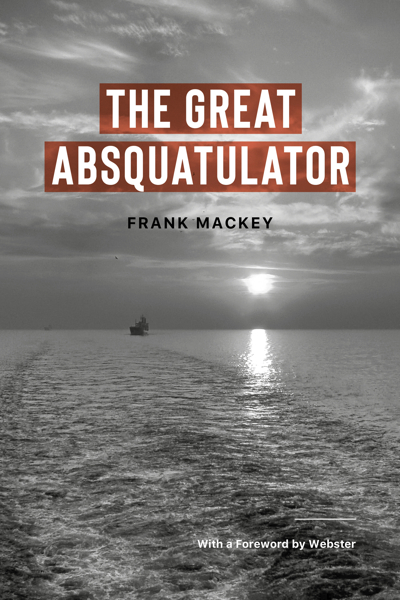
 In this presentation, Frank Mackey talks about the genesis of his book “The Great Absquatulator", the combination of accidents that led him to write and publish it.
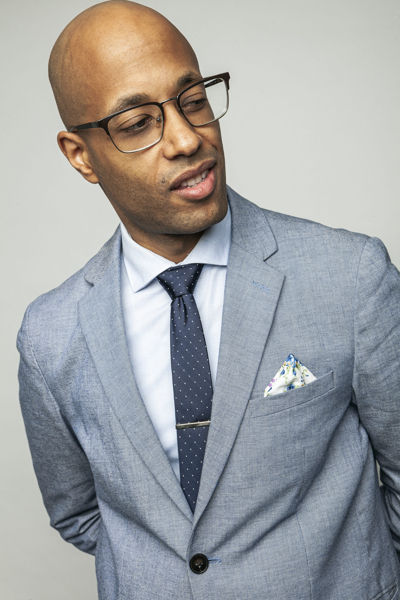 Aly Ndiaye, a.k.a. Webster, hip-hop artist, independent historian, activist and lecturer, was born and raised in the Limoilou district of Québec City. His father is Senegalese and his mother is from Quebec. He has always been proud of his origins and describes himself as a SénéQueb métis pure laine. His passion for history led him to pursue university studies in this field; he holds a bachelor's degree in history from Université Laval. He worked for 10 years as history guide for Parks Canada. He is passionate about the history of the Afro-descendant presence and slavery in Quebec and Canada since the time of New France. Ndiaye is the author, amongst others, of a children's book that follows the journey of Olivier Le Jeune, the first African slave in Canada, Le Grain de Sable (Septentrion, 2019). In February 2023, he was appointed to represent Québec at the Historic Sites and Monuments Board of Canada.
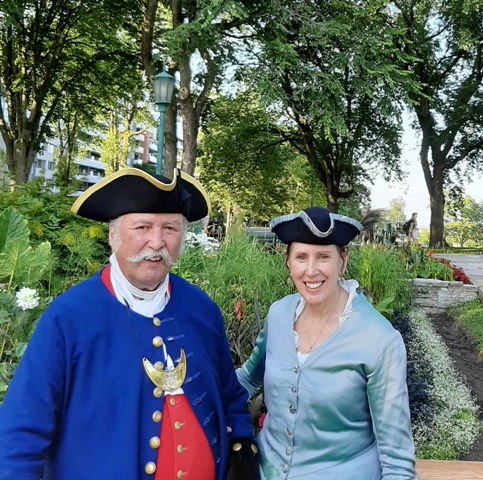 ar, the American War of Independence and the French Revolution. He became an engineer in 1753 in the wake of the commission of inquiry into the construction of the ramparts of Quebec. In 1763 he owned 7 seigneuries, 5 in the new Province of Quebec: Lotbinière, Vaudreuil, Rigaud, Nouvelle-Beauce and Villechauve and two in the Province of New York. He participated in London in the debate on the Quebec Act where he convinced the British parliament to adopt the French Law (Coutume de Paris), the French language and the Catholic religion, which today makes the Province of Quebec a distinct society.
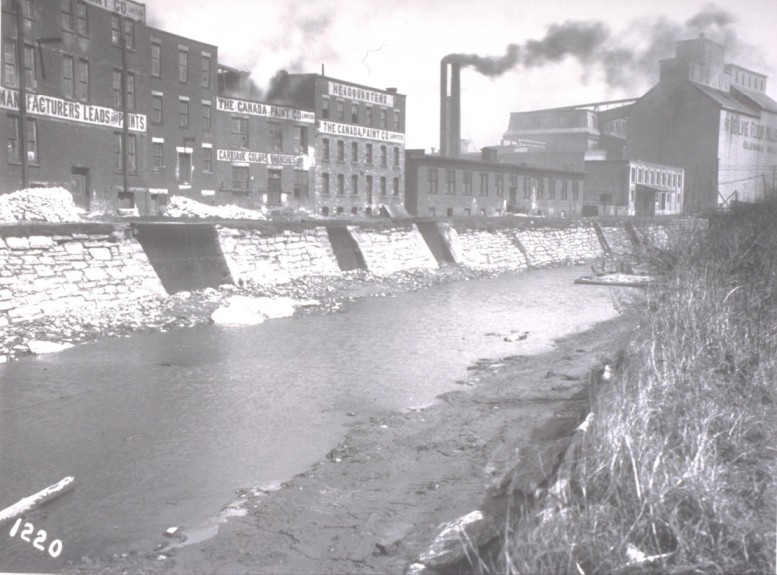 The Lachine Canal was the birthplace of Canada’s industrial revolution. Once the most heavily industrialized urban area in the country, the area deindustrialized during the 1970s and 1980s. The canal was also closed in 1970. As a result, the debate over the future of the Lachine Canal unfolded at a time of social crisis for the adjoining neighbourhoods. This illustrated talk is drawn from the author’s recently published book “Deindustrializing Montreal: Entangled Histories of Race, Residence and Class”, which was awarded the "Prix de la présidence de l’Assemblée nationale du Québec" 2023, recognizing political books.
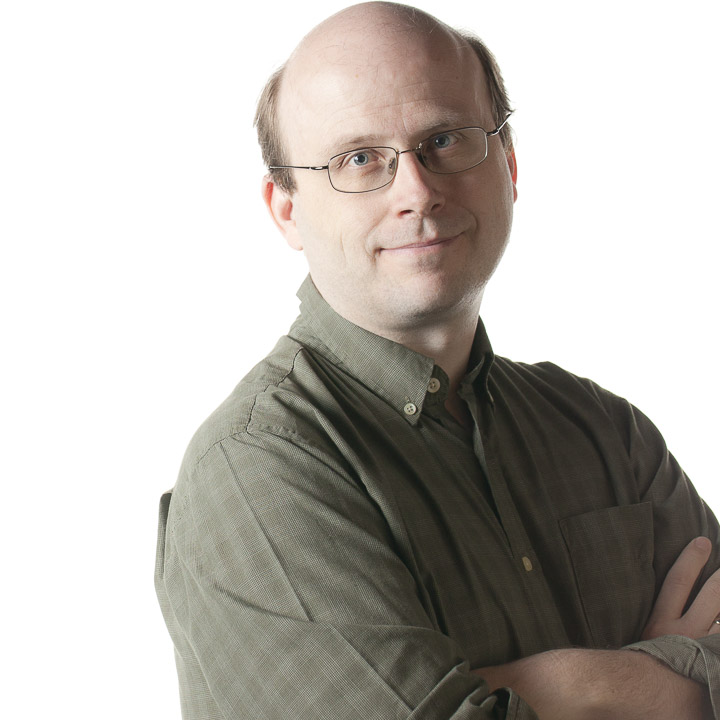 Steven High is a professor of history at Concordia University where he co-founded the Centre for Oral History and Digital Storytelling. He is the author of many books and articles about the history of Montreal.
 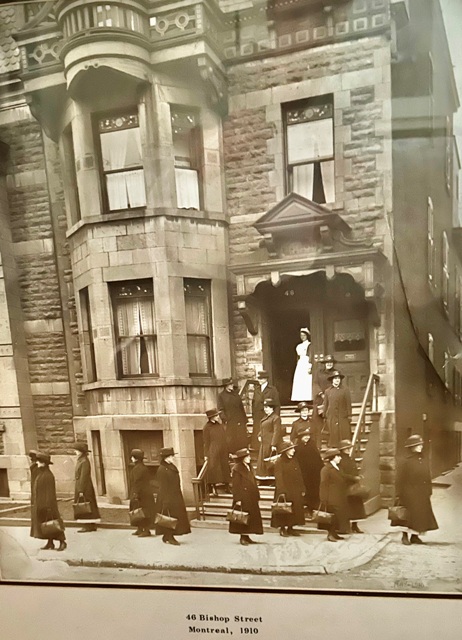 The Victorian Order of Nurses (VON) was founded in 1897 by Lady Aberdeen, consort to the then Governor General of Canada, Earl of Aberdeen (1893-1898). We will see how the VON played a part in Canada's history from the Klondike Gold Rush, the Halifax Explosion and two World Wars. In later years, we witnessed VON's decreased importance as a national institution, which gave birth to our own NOVA West Island.
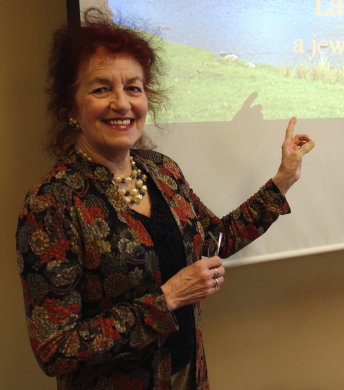 When: Thursday, April 20, 2023, 19h30 à 21h
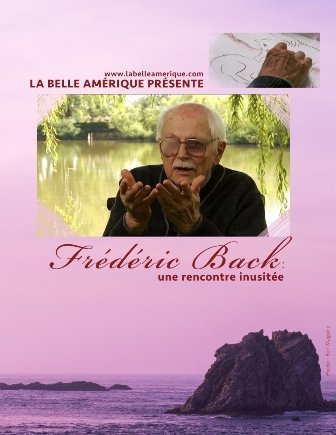 Hélène Jasmin introduces Frédéric Back, artist and environmentalist, creator of « Crac » and « The man who planted trees » winner of two Oscars, Chevalier de l’Ordre du Québec and … friend. And a few words on Lina Gagnon, animation artist and resident of Beaconsfield until her death in 2022, and her work with Frédéric Back.
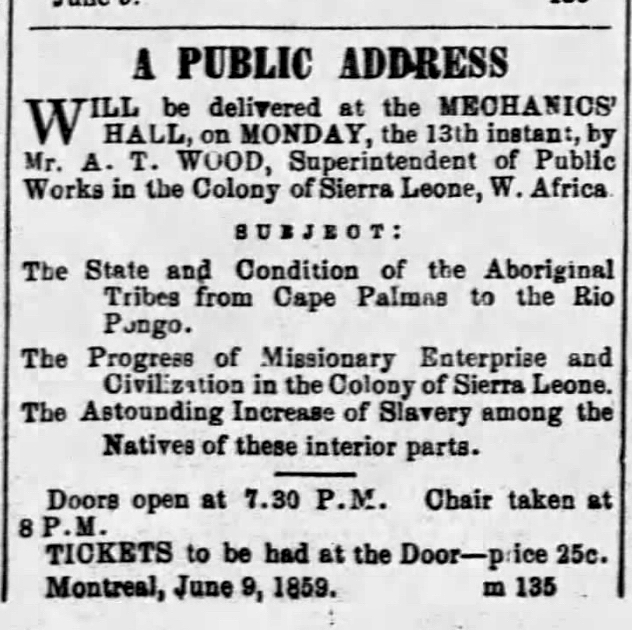
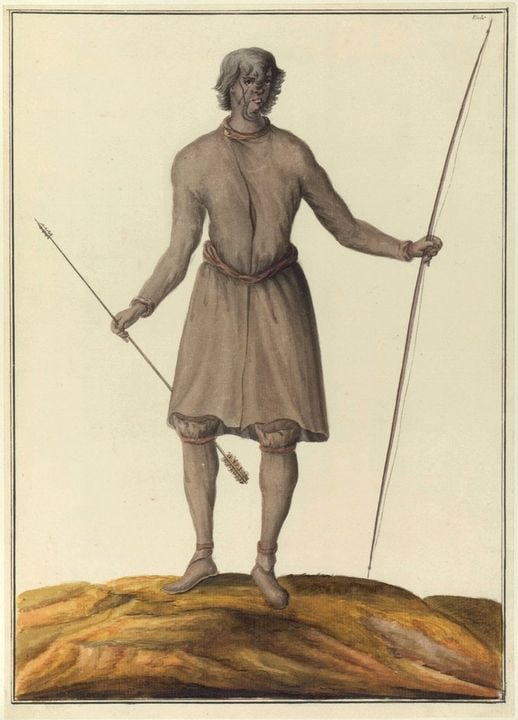 Around 1690, French Canadians saw an almost constant arrival of Indigenous and African enslaved in the Laurentian Valley until 1833. However, we still know very little about their living conditions. This lecture will present what we currently know about enslaved individuals' living conditions and the conditions that led to early mortality.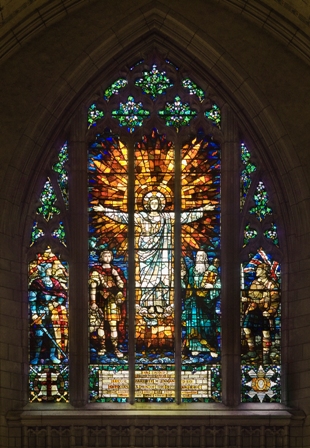
 Learn more about the modest McLennan family who gifted the Window to the Church and so much more to Montreal and Canada.